Chronic
Chronic Kidney Disease
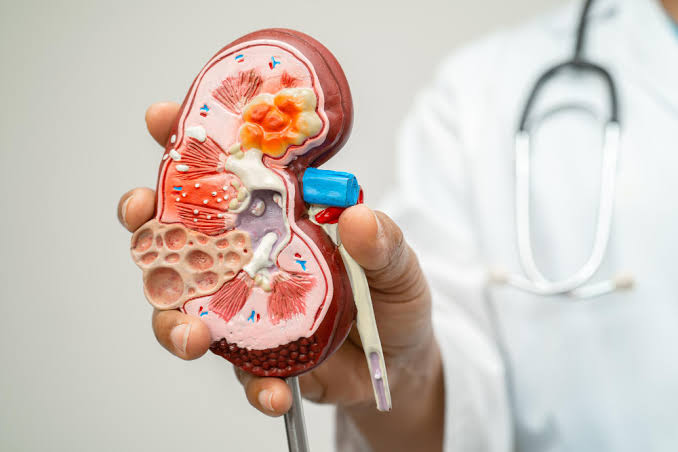
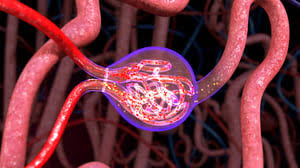
Gradual loss of kidney function over years. Transplant enters the picture once eGFR drops below 20.
Get evaluated
Dr. Ajay Pal Singh, Consultant Nephrologist, leads the medical side of kidney transplant care — recipient evaluation, living donor matching, THOTA legal clearance and lifelong follow-up, with surgery at Apex Hospitals.
Share your reports — get a clear answer
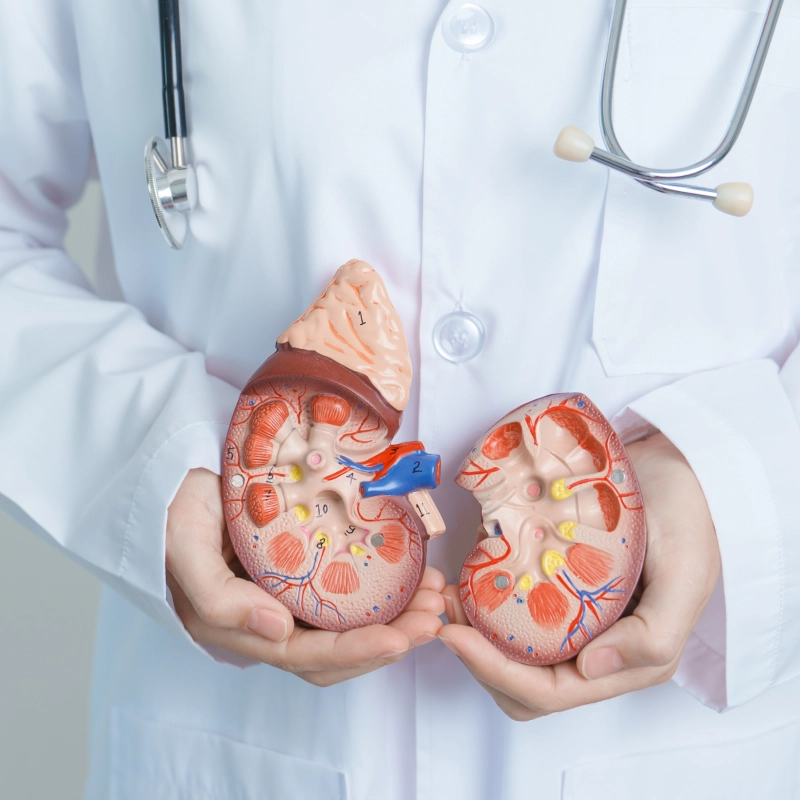
A kidney transplant places one healthy kidney — from a living or deceased donor — into your lower abdomen, connected to the blood vessels near your hip and to your bladder. Your own kidneys usually stay where they are; they simply stop being needed. One healthy kidney does the work of two, and dialysis stops.
Dr. Ajay Pal Singh manages evaluation, matching, medical optimisation and lifelong follow-up. The operation is carried out by the transplant surgical team at Apex Hospitals.
Native kidneys are removed only for infection, very large polycystic kidneys, uncontrolled hypertension or cancer.
Donors are assessed rigorously, discharged in 3–5 days and back to routine life in 3–4 weeks with one kidney.
Immunosuppressants prevent rejection and must be taken exactly as prescribed — the single biggest factor in how long a graft lasts.
Most grafts begin producing urine on the operating table, and creatinine typically falls within the first few days.
With over a decade in nephrology, Dr. Ajay Pal Singh has cared for patients across the full arc of kidney disease — from the first raised creatinine, through dialysis, to transplant and the years that follow. His practice is built on plain explanations and treatment recommended only when genuinely warranted.
Recipient candidacy, donor screening, ABO and HLA compatibility, crossmatch interpretation.
Guidance through hospital and Authorization Committee requirements so approvals aren't delayed.
Immunosuppression management, rejection surveillance and infection prevention for years after.
CKD, dialysis planning, diabetic and hypertensive kidney disease, and second opinions.
These are the diagnoses that most often progress to end-stage renal disease. Caught early, many can be slowed — which is exactly why the first consultation matters.
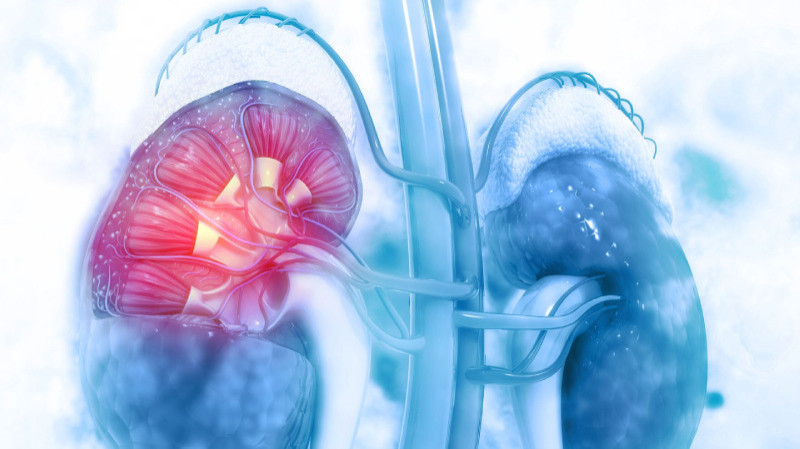
Gradual loss of kidney function over years. Transplant enters the picture once eGFR drops below 20.
Get evaluated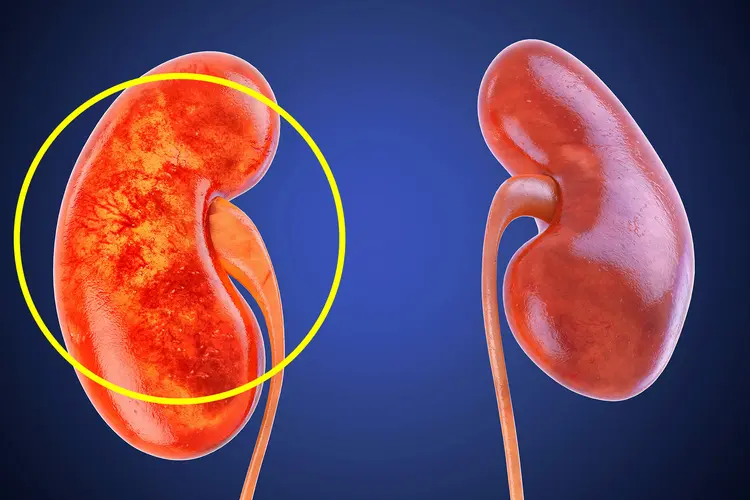
India's leading cause of kidney failure. Protein in urine and rising creatinine are the earliest signs.
Get evaluated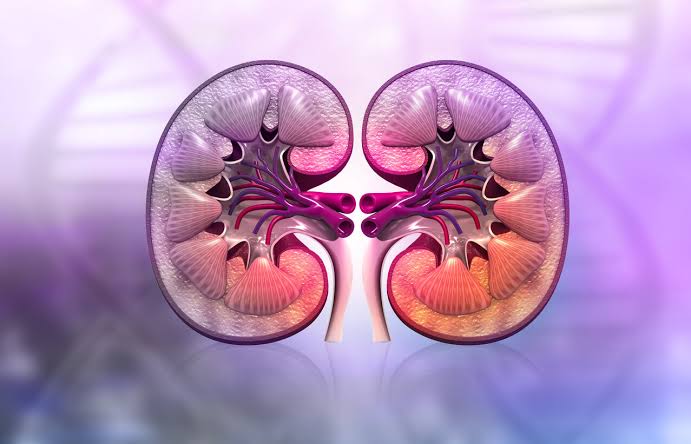
Years of uncontrolled blood pressure scar the filtering units. Often symptomless until advanced.
Get evaluated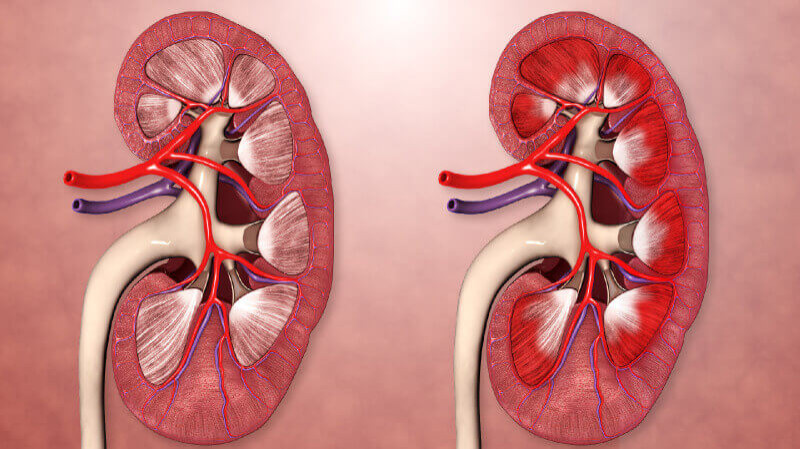
Nephritis and nephrotic syndrome — swelling, foamy urine and heavy protein loss.
Get evaluated
Rapid loss of function. Often reversible if treated fast — but can leave lasting damage behind.
Get evaluated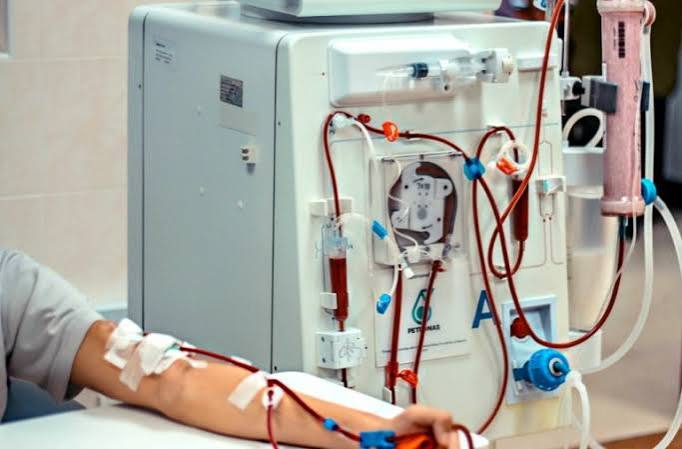
Most medically fit dialysis patients are transplant candidates — many are simply never assessed.
Get evaluated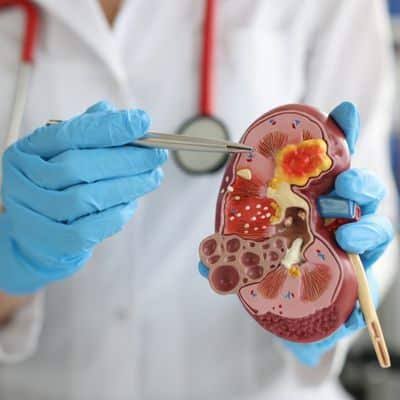
Inherited cysts that enlarge and replace working tissue, often reaching failure by middle age.
Get evaluated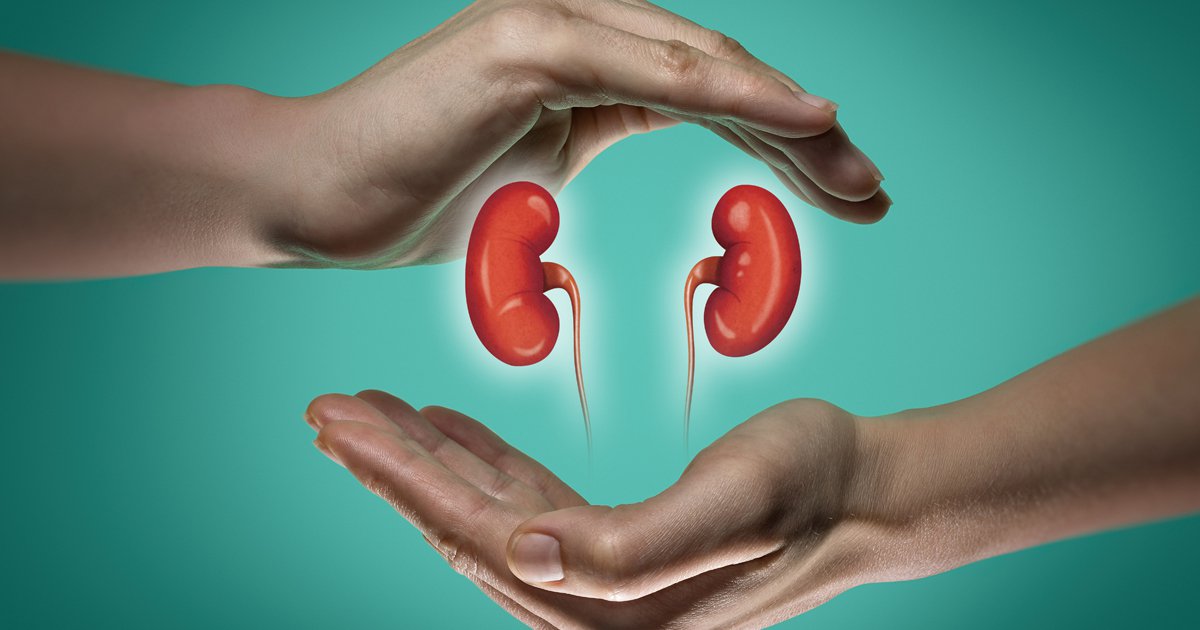
A second transplant remains possible. Needs careful antibody screening for sensitisation.
Get evaluatedDon't wait for dialysis to start. A transplant performed before dialysis begins — a pre-emptive transplant — is consistently associated with better graft and patient outcomes. Evaluation, donor workup and legal clearance take weeks to months, so early referral matters.
Which route applies to you depends on donor availability, blood group compatibility, antibody levels and how much kidney function you have left.
A healthy near relative donates one kidney. Surgery is planned, the kidney spends minimal time outside the body, and outcomes are the best of any option.
A kidney from a brain-dead donor, allocated through SOTTO Rajasthan. Waiting times vary widely by blood group and sensitisation.
When the donor's blood group doesn't match yours. Antibodies are lowered beforehand with plasma exchange, making a previously impossible pairing workable.
Done before dialysis is ever started, usually at eGFR below 20. Avoids dialysis access surgery entirely and links to better long-term survival.
Two incompatible donor–recipient pairs exchange donors so both recipients get a matched kidney. Legally permitted in India.
For patients whose first graft has failed. Requires careful antibody screening, as prior exposure raises sensitisation — but remains very possible.
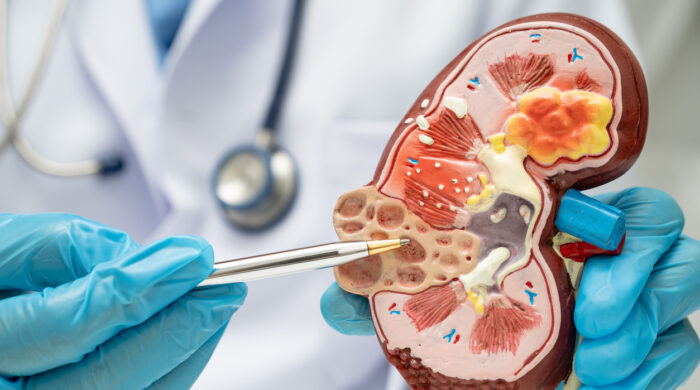
One consultation tells you whether a transplant is realistic, what your donor options are, and what the next ninety days look like. No pressure to proceed.
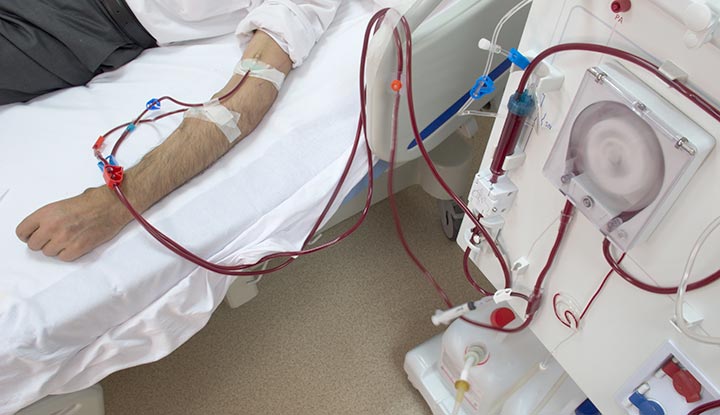
Both are legitimate treatments for end-stage kidney disease. The right choice depends on your fitness, your donor situation and what you want your life to look like.
Swipe the table sideways to compare
| Factor | Maintenance Dialysis | Kidney Transplant |
|---|---|---|
| Weekly time | 12–15 hours at the centre, lifelong | Daily medicines; visits taper to monthly, then quarterly |
| Function restored | Roughly 10–15% of normal filtration | Close to normal with a well-functioning graft |
| Diet & fluid limits | Strict fluid, potassium and phosphate restrictions | Substantially relaxed once the graft stabilises |
| Long-term survival | Lower than transplant for eligible patients | Better for medically suitable candidates |
| Anaemia & bone health | Often needs ongoing EPO injections and binders | Usually improves markedly without those supports |
| Main risks | Access infection, BP swings, cramps, cardiac strain | Surgical risk, rejection, infection, drug side effects |
| Work & travel | Constrained by the dialysis schedule | Largely unrestricted once recovered |
Seven stages, in order. Most patients spend the longest time on stages two and three — which is exactly why starting early matters.
Your history, reports and dialysis status are reviewed, and candidacy decided. You're told plainly if a transplant isn't right for you.
Cardiac clearance, infection screening, cancer screening and urological assessment confirm you can safely undergo surgery.
ABO grouping, HLA typing, lymphocyte crossmatch, DSA panel, donor GFR scan and CT angiography — donor safety comes first.
Documents prepared for the hospital transplant committee and, where required, the State Authorization Committee.
About three hours, performed by the transplant surgical team. Most grafts begin producing urine on the operating table.
Urine output, creatinine, fluid balance and drug levels monitored closely. Recipients discharged in 7–10 days, donors in 3–5.
Drug-level monitoring, rejection surveillance, infection prevention and graft protection at Enhance Health Clinic.
Bring your latest creatinine, eGFR and dialysis records.
Nothing here is optional. Each test rules out a reason the transplant could fail or harm you — or your donor.
Kidney donation in India is governed by the Transplantation of Human Organs and Tissues Act. Understanding it early prevents months of avoidable delay.
Under THOTA, a near relative may donate after proving relationship and compatibility. Anyone outside this list requires State Authorization Committee approval confirming the donation stems from affection, not payment.
Every transplant in India passes through a documented approval chain. Enhance Health Clinic guides you through the paperwork so nothing is rejected on a technicality.
Graft loss in India is far more often caused by missed medicines and skipped follow-ups than by surgical failure. Long-term nephrology care is what turns a successful operation into fifteen good years.
Tacrolimus or cyclosporine with mycophenolate and steroids — drug levels checked and doses adjusted for protection without toxicity.
A creatinine trending upward is the first clue. Serial monitoring catches acute rejection while it is still fully treatable.
Suppressed immunity raises risk of CMV, BK virus, tuberculosis and fungal infection — screened proactively, not reactively.
Post-transplant diabetes, hypertension and lipid changes are common, manageable, and the leading long-term threat to graft and patient.
Twice weekly at first, tapering to monthly and then quarterly — the rhythm that keeps a graft working for fifteen years and beyond.
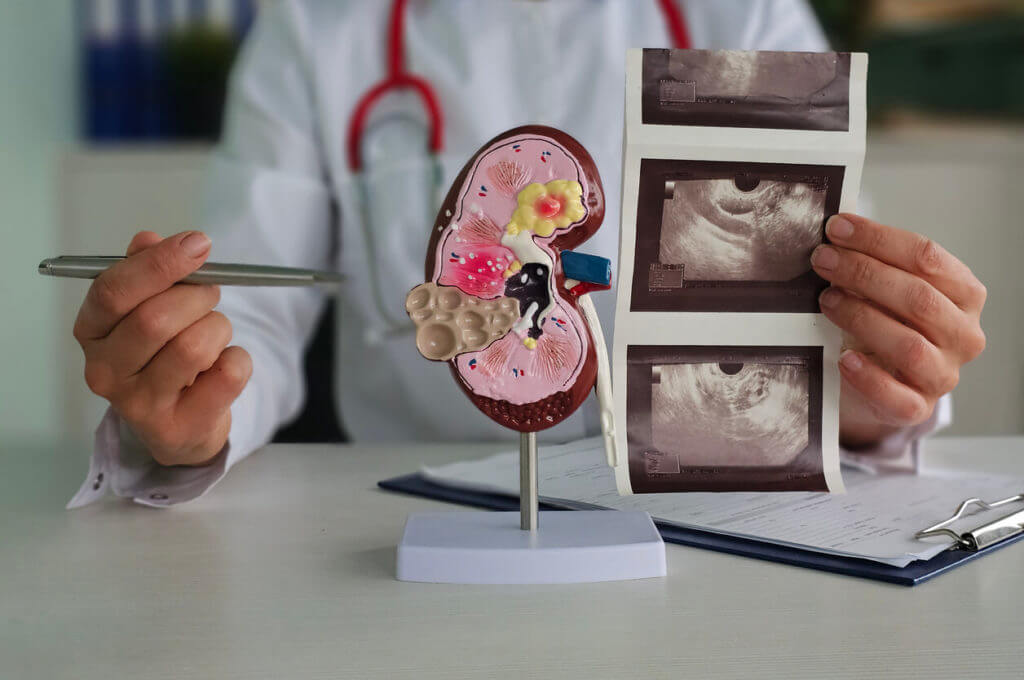
Send your latest creatinine, eGFR and dialysis records on WhatsApp for a preliminary review — no cost, no obligation, and a straight answer either way.
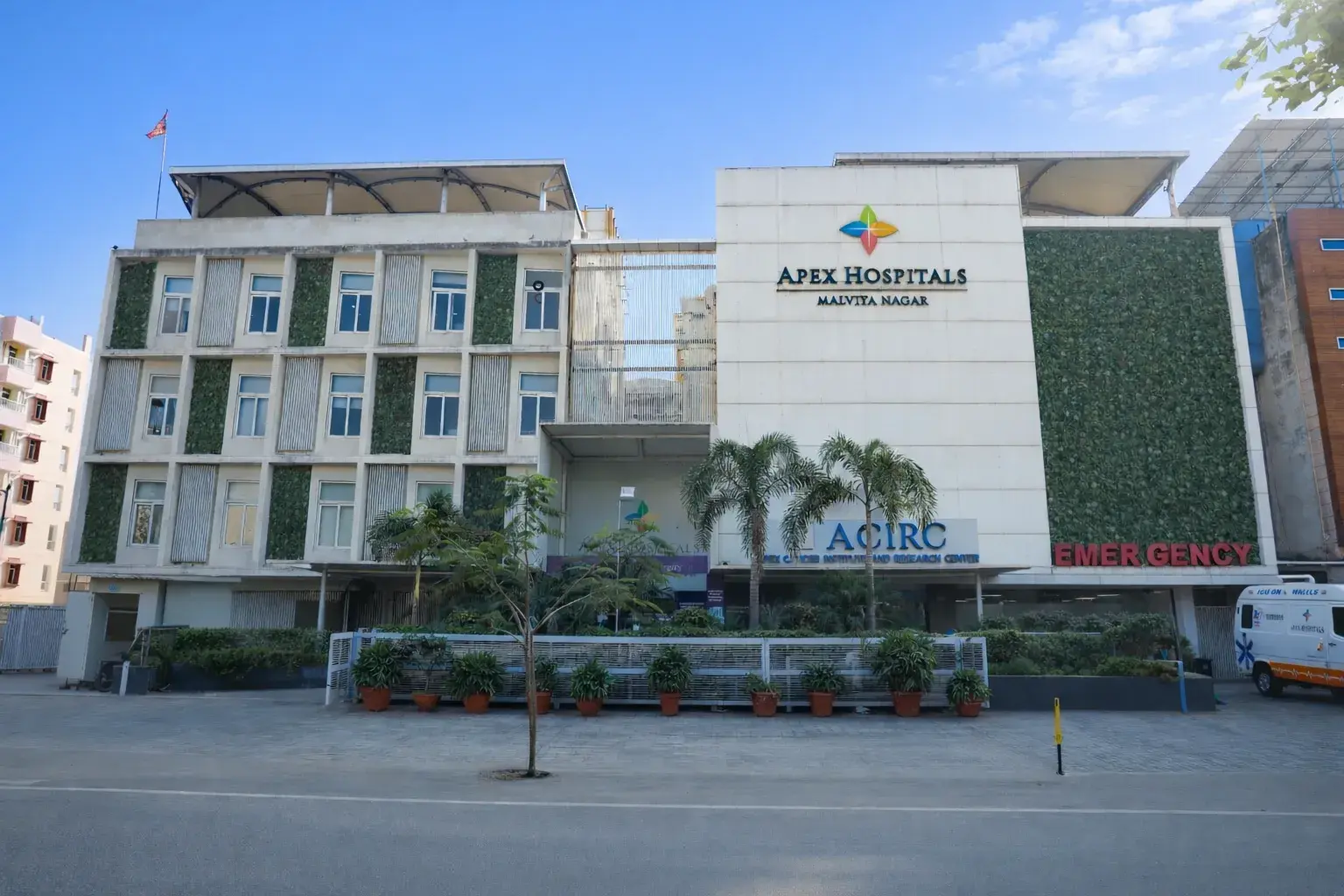
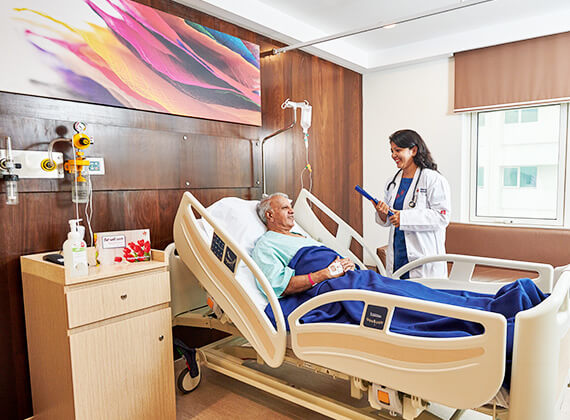
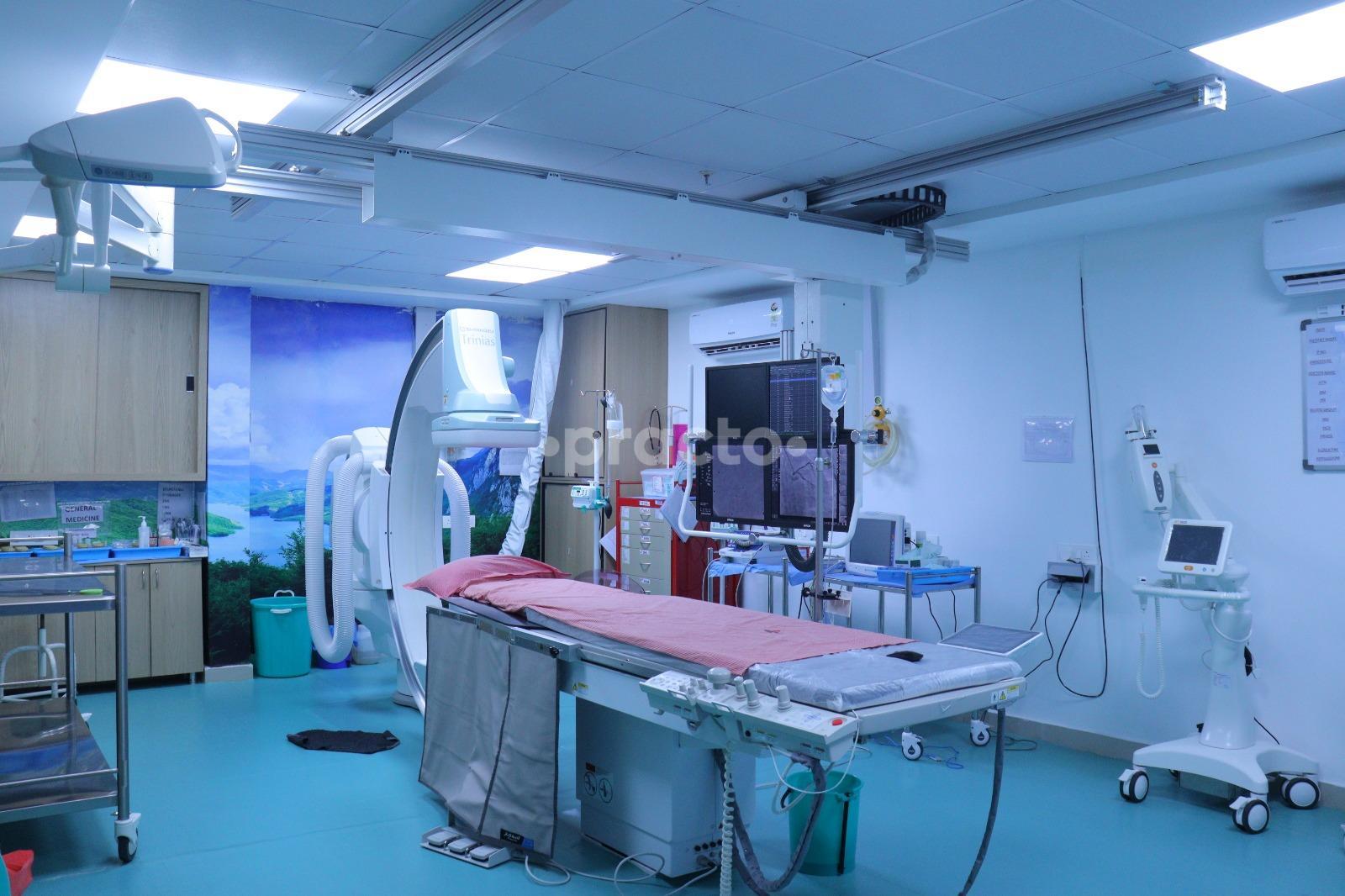
Transplant care needs more than a clinic. Dr. Ajay Pal Singh's association with Apex Hospitals gives patients access to tertiary-level surgical teams, intensive care, dialysis backup and transplant coordination — while day-to-day consultation and long-term follow-up stay personal at Enhance Health Clinic, Vaishali Nagar.
From the first raised creatinine to the fifteenth year after a transplant — one nephrologist, one continuous record, one consistent plan.
The same doctor who evaluates you for transplant manages your graft afterwards. Nothing gets lost in a handover between departments.
If a transplant isn't safe or sensible for you, you will be told so directly — and given a realistic dialysis plan instead. No one is pushed toward surgery.
Committee rejections almost always trace back to incomplete documentation. Yours is prepared correctly the first time.
Your donor is assessed independently, counselled privately, and free to withdraw at any point without having to justify it to anyone.
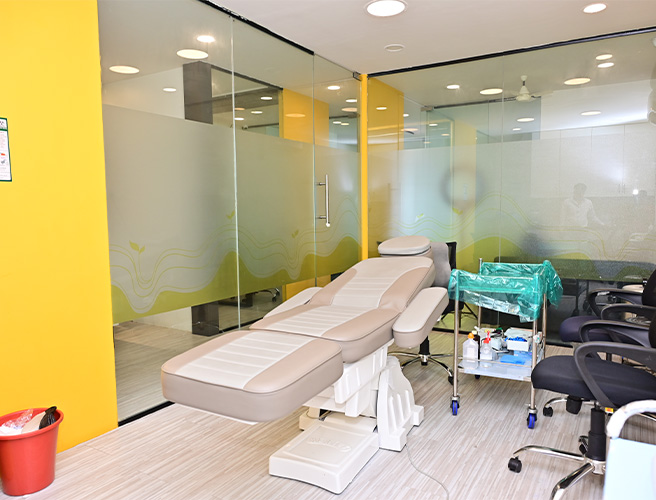
Tertiary surgical and ICU support through Apex Hospitals, with routine consultations kept convenient at Vaishali Nagar.
Garud Marg, Vaishali Nagar — easy to reach from Sirsi Road, Ajmer Road, Chitrakoot and Nirman Nagar, with evening OPD six days a week.
Excellent diagnosis and treatment for kidney disease. Very humble doctor who takes the time to explain what is actually happening instead of rushing you out.
My father's creatinine improved with timely treatment. We had been told dialysis was the only option elsewhere. Grateful for the second opinion.
Doctor sahab explained the whole transplant process to our family in Hindi, step by step. Nothing was hidden about cost or risks. Very satisfied.
Been consulting for my mother's CKD for two years now. Regular follow-ups, clear reports, and he never suggests unnecessary tests.
Best nephrologist doctor in Jaipur. Explained everything clearly — the reports, the options and what would happen next. We finally understood my father's condition.
We came for a transplant opinion. He checked every report carefully and told us honestly what was possible and what was not. That honesty is rare.
Clinic is easy to find in Vaishali Nagar and the staff is polite. Appointment was on time, no long waiting. Doctor listens patiently.
My dialysis was managed here for eight months before transplant workup. Very systematic approach and always available on call for guidance.
Reviews sourced from the clinic's verified Google Business Profile. Individual results vary — outcomes depend on stage of disease, comorbidities and adherence to treatment.
The questions patients and donor families actually ask in the consultation room.
Dr. Ajay Pal Singh (MBBS, MD, DM Nephrology) is a widely trusted kidney transplant physician in Jaipur with over 10 years of experience in end-stage renal disease, dialysis and transplant care. He handles recipient evaluation, donor workup, ABO and HLA matching, THOTA documentation and lifelong follow-up, while surgery is performed by the transplant surgical team at Apex Hospitals. Consult at Enhance Health Clinic, Vaishali Nagar — +91 95113 77289.
A living-donor transplant at a private hospital typically costs ₹5,00,000–₹12,00,000, covering surgery, both admissions, ICU stay and in-hospital medicines. ABO-incompatible runs roughly ₹10,00,000–₹18,00,000. Immunosuppressants cost about ₹15,000–₹25,000 monthly in year one.
Government and trust hospitals cost considerably less, and Ayushman Bharat or RGHS may cover a portion. Always ask the hospital for a written, itemised estimate after evaluation.
Under THOTA, a near relative — parent, child, brother, sister, spouse, grandparent or grandchild — may donate after establishing relationship and passing compatibility testing. Anyone outside this list needs State Authorization Committee approval confirming the donation arises from affection, not payment.
Donors must be adults, medically fit, with two normally functioning kidneys, and may withdraw at any stage. Commercial dealing in organs is a criminal offence in India.
For most medically suitable patients, yes — better long-term survival, freedom from 12–15 hours a week at a centre, far fewer diet and fluid restrictions, and typically improved anaemia, bone health and energy.
The trade-offs are real: major surgery and lifelong immunosuppressants that carry risks of infection and diabetes. Suitability depends on cardiac fitness, infection status, age and donor availability.
Reported outcomes show roughly 95% of living-donor grafts working at one year and around 85% at five years; deceased-donor grafts are somewhat lower. Many function well beyond 15 years.
Longevity depends far more on what happens after surgery — taking medicines exactly as prescribed, controlling BP and blood sugar, avoiding infections, and never missing follow-up.
Recipients usually stay in hospital 7–10 days, with intensive follow-up for the first month that gradually tapers to monthly and quarterly visits. Most resume light activity in 4–6 weeks and return to work in 2–3 months, avoiding heavy lifting initially.
Donors typically go home in 3–5 days and return to normal activity in 3–4 weeks, living a full life with one kidney.
Ideally when eGFR falls below 20 ml/min, before dialysis becomes necessary. A pre-emptive transplant is associated with better graft and patient outcomes and avoids dialysis access surgery altogether.
Because recipient workup, donor screening and legal clearance take weeks to months, early referral is what makes a pre-emptive transplant possible.
Short-term risks include bleeding, infection, blood clots, urine leak and delayed graft function. Rejection can occur — acute cellular, antibody-mediated or chronic — which is why immunosuppression and monitoring matter so much.
Longer term, immunosuppressants increase the risk of CMV and tuberculosis infection, post-transplant diabetes, high blood pressure and certain cancers. Most are manageable when detected early.
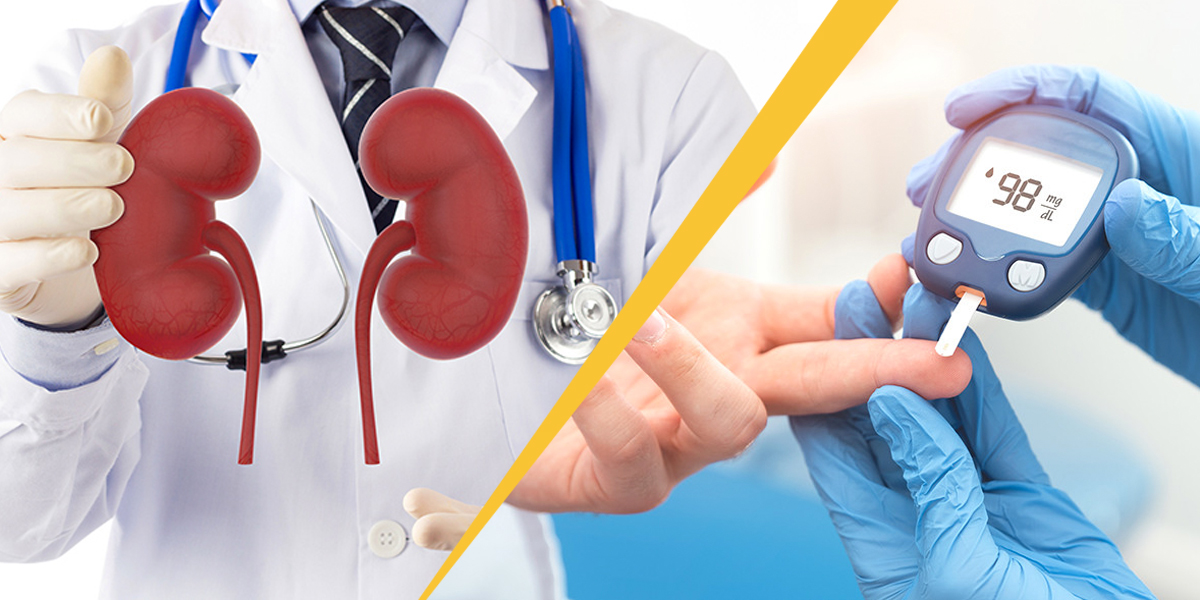
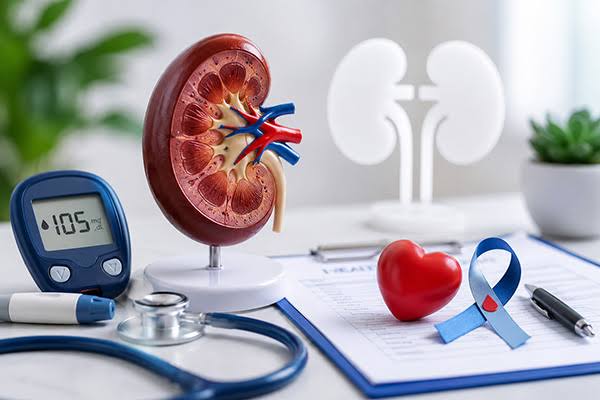
Yes. Diabetic kidney disease is one of the most common reasons for kidney failure in India, and diabetes alone does not disqualify anyone. What matters is reasonably controlled blood sugar, a heart fit enough for surgery, and no active infection or advanced vascular disease.
Diabetic recipients need closer post-transplant monitoring, since steroids and tacrolimus can raise blood sugar further.
At Enhance Health Clinic, A-142, Garud Marg, Hanuman Nagar, Vaishali Nagar, Jaipur, Rajasthan 302021. Clinic OPD runs 5:00 PM to 7:00 PM and hospital OPD 10:30 AM to 3:30 PM, Monday to Saturday. Easily reached from Sirsi Road, Ajmer Road, Chitrakoot, Nirman Nagar and Mansarovar.
Call or WhatsApp +91 95113 77289. Bring recent kidney function tests, ultrasound and any dialysis records.
Bring your latest creatinine, eGFR, ultrasound and dialysis records. One visit is usually enough to know where you stand.
Hospital 10:30 AM – 3:30 PM · Clinic 5:00 PM – 7:00 PM
Monday to Saturday · Sunday
closed
Four details is all we need. The clinic will confirm your slot during working hours.
Dr. Ajay Pal Singh · Enhance Health Clinic, Vaishali Nagar